
Advantages and Disadvantages of Experimental Bench Ceramic Countertops and Physical and Chemical Board Tops
With the continuous development of science and technology, the requirements for laboratory environment are becoming higher and higher. As an indispensable part of the laboratory, the selection of materials for the test bench is crucial. Among the many laboratory benchtop materials, ceramic benchtops and physical and chemical board benchtops are popular because of their unique properties. This article will provide a detailed analysis of the advantages and disadvantages of these two materials to help you better understand their characteristics and choose the appropriate countertop material for your laboratory.
www.smile-labfurniture.com
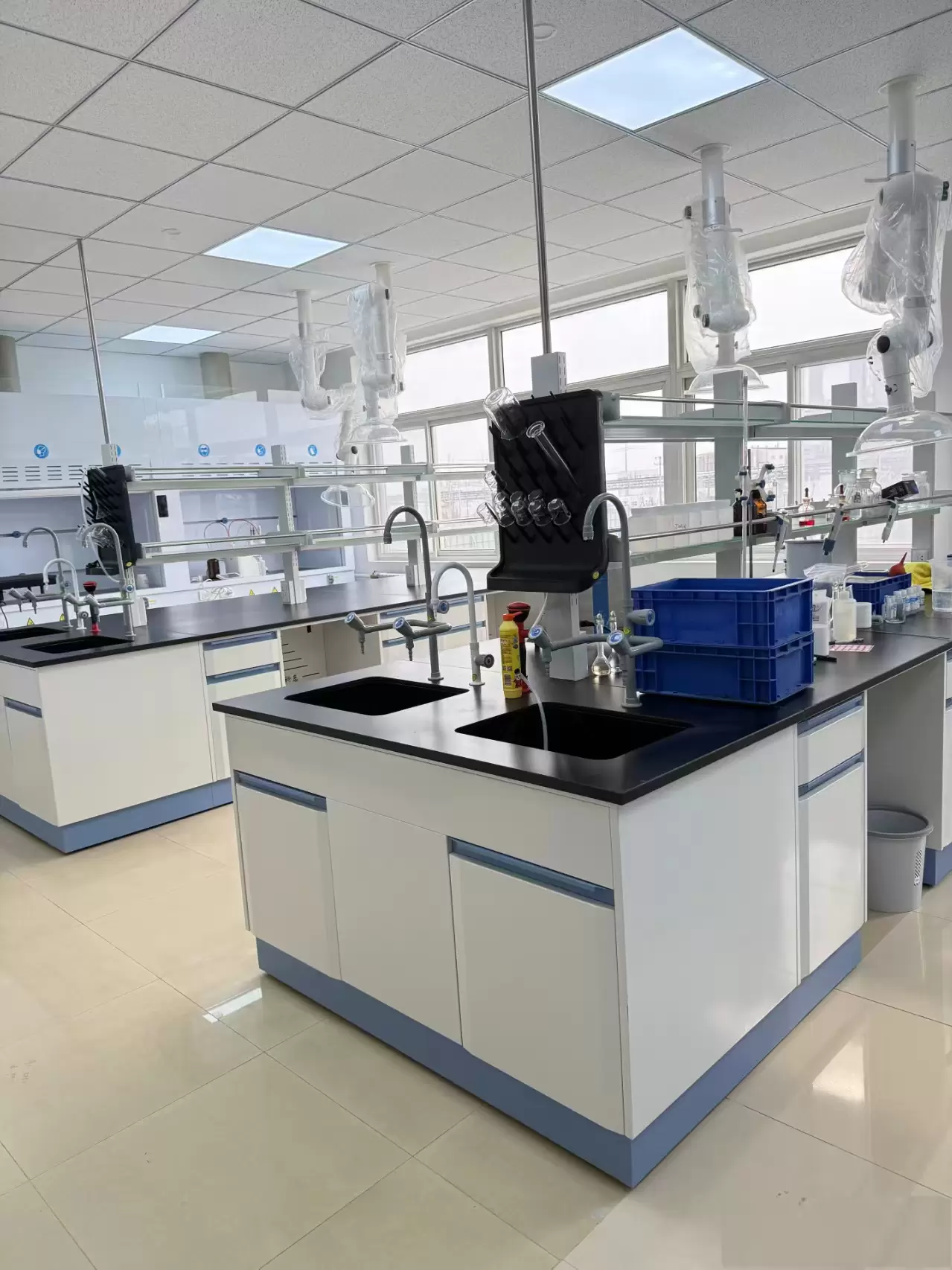
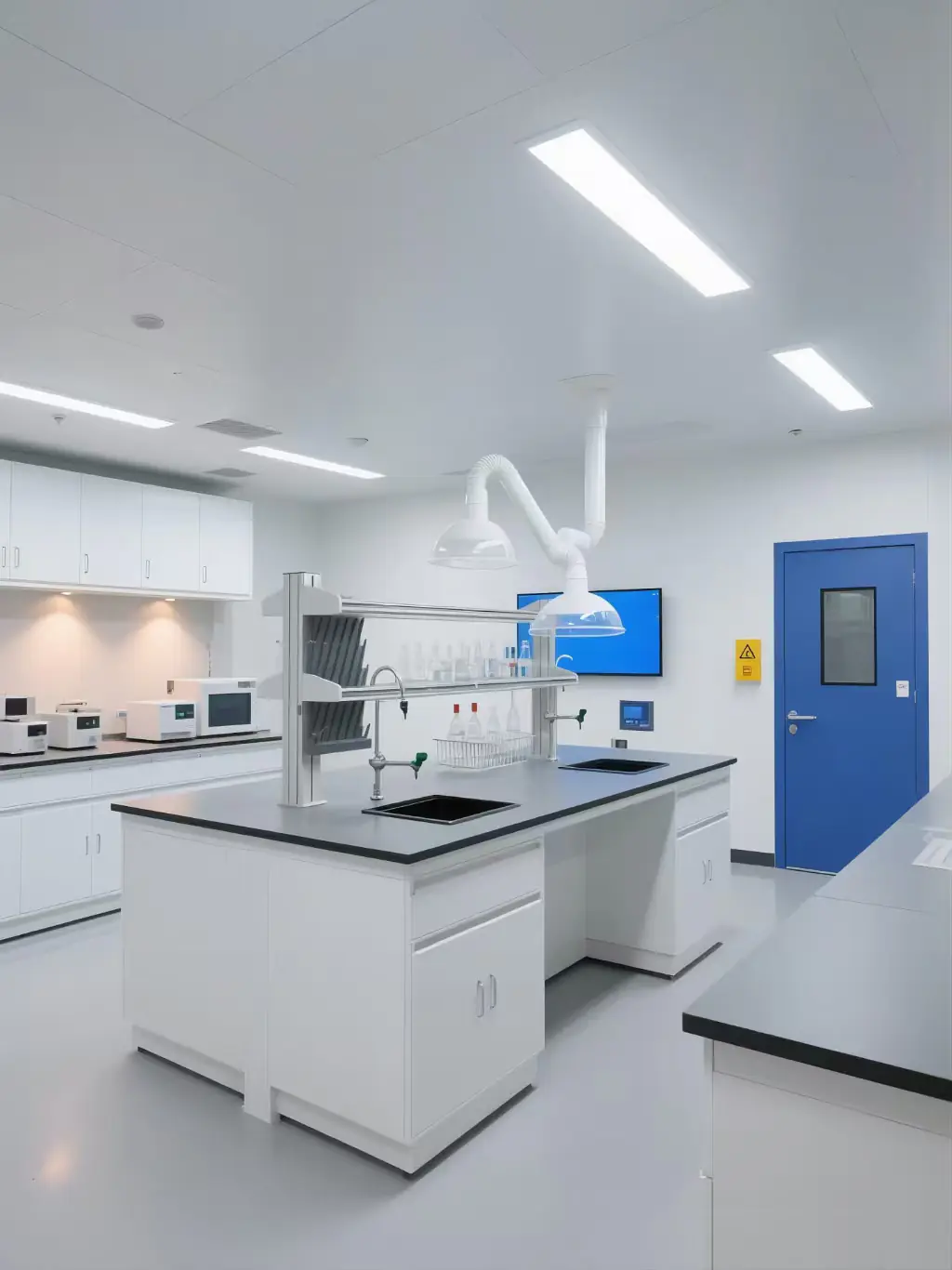
A. Ceramic countertops
1. Advantages
(1) High temperature resistance: Ceramic countertops have high temperature resistance and can withstand temperatures up to 1500°C, making them suitable for high temperature laboratory environments.
(2) Resistance to acid and alkali corrosion: Ceramic countertops have good resistance to acid and alkali corrosion and will not be corroded by chemical substances produced during the experiment.
(3) Antibacterial and antifouling: The surface of the ceramic countertop is smooth, not easy to breed bacteria, and is easy to clean and maintain.
(4) Beautiful and elegant: Ceramic countertops are rich in color, hard in texture, and have good ornamental and decorative effects.
2. Disadvantages
(1) High hardness: Ceramic countertops have high hardness, making it difficult to cut and drill holes, and the installation process is cumbersome.
(2) Higher cost: The manufacturing process of ceramic countertops is complex and the cost is relatively high, making it not suitable for laboratories with limited budgets.
(3) High brittleness: Although ceramic countertops have high hardness, they are relatively brittle and prone to cracking when impacted by external forces.
B. Physical and chemical board countertops
1. Advantages
(1) Scratch resistance: The surface of the physical and chemical plate countertop has been specially treated and has good scratch resistance. It is not easy to leave obvious marks even if it is used for a long time.
(2) Impact resistance: The physical and chemical board countertop has good impact resistance, which can reduce the impact of the impact on the countertop caused by the impact during the experiment to a certain extent.
(3) Economical and affordable: The price of physical and chemical plate countertops is relatively low, making it suitable for laboratories with limited budgets.
2. Disadvantages
(1) Not resistant to high temperatures: The physical and chemical plate countertops have poor high temperature resistance and cannot withstand excessive temperatures.
(2) Susceptible to corrosion by chemical substances: The physical and chemical plate countertop is easily corroded by chemical substances produced during the experiment, leading to problems such as deformation and discoloration of the table.
(3) Poor antibacterial and antifouling properties: The physical and chemical board countertops have poor antibacterial and antifouling properties, are prone to bacteria breeding, and are difficult to clean.
To sum up, ceramic countertops and physical and chemical plate countertops each have their own advantages and disadvantages. When selecting laboratory bench panel materials, various factors need to be weighed according to the specific needs of the laboratory, such as budget, experimental needs, etc.
